High uptake, dwindling use
Mastercard wanted into the loyalty programme sector, and needed a prototype strong enough to pitch to airlines and banks.
The market pattern was well known: people sign up for loyalty programmes at high rates and then stop engaging. To compete, Mastercard needed a product that could rekindle the romance between loyal customer and reward points — and that meant understanding why the romance died in the first place.
Before designing anything, I ran stakeholder workshops and customer interviews to define both the client's and the end customer's needs.
Three reasons the romance dies
The research surfaced three core issues, and all of them are legibility problems:
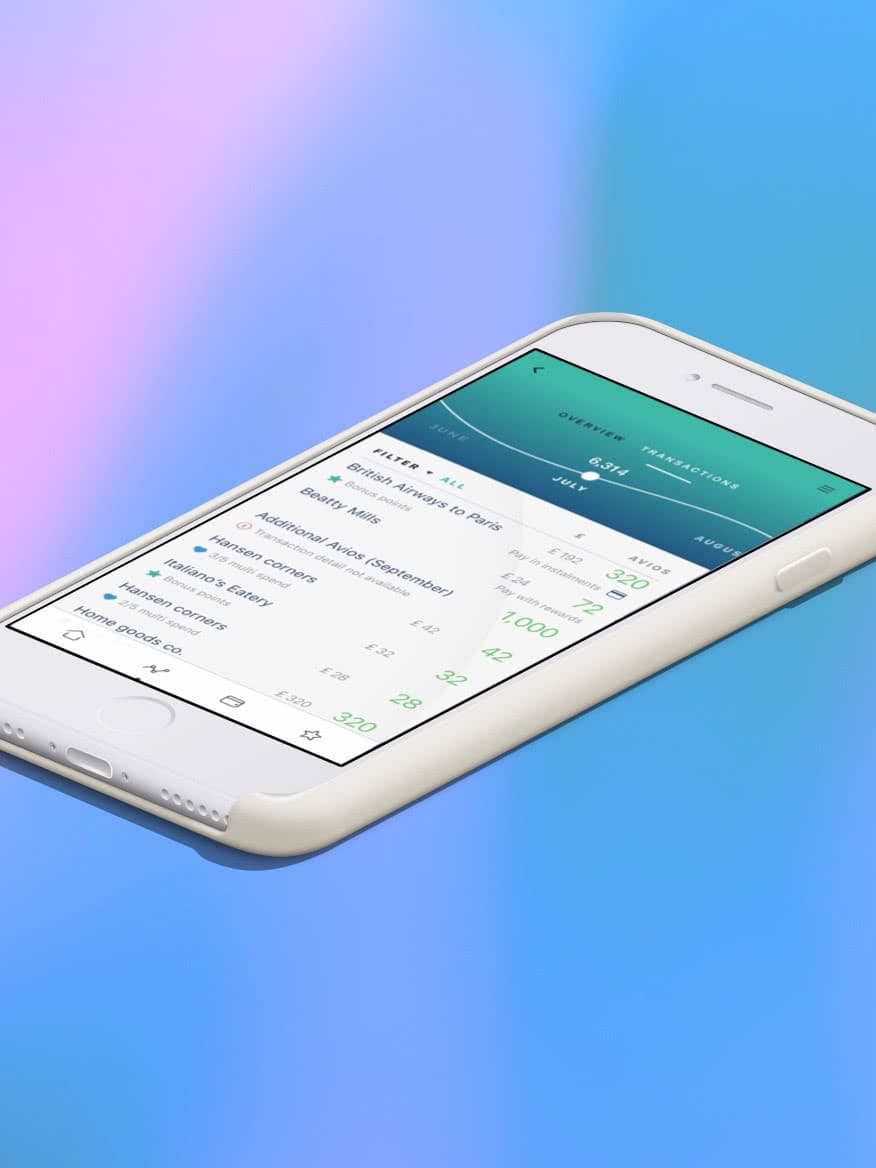
- Points have no visible value. Customers did not understand what their points were worth. The fix was to demystify the whole process — a bank-statement-like view of points earned, spent, and missed.
- Goals are vague. People sign up with airline cards to accumulate miles or save toward something specific, but nothing helps them set a goal, attach a timeframe, or share progress. A goal makes every transaction mean something.
- The programme is static while life is not. Card use changes as lifestyles change, and the programme had no way to notice. The app needed to capture the data to spot those shifts and respond with personalised, targeted offers.
None of these required bigger rewards. They required the existing value to become visible.
A prototype built to persuade
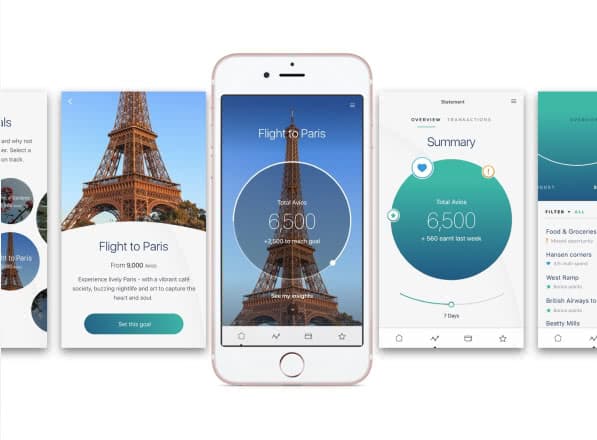
The deliverable was a high-fidelity, interactive prototype customers could open on their own smartphones — 48 demo screens, navigable free-flow through a hidden built-in menu so a pitch could start from any journey.
I designed and led the team creating the visuals: a dynamic transaction history, a digital wallet, and tailored rewards, guided by a clean circular design language that walked customers through every stage. A bespoke micro-interaction system — including a distinct confirmation-button behaviour — gave each action a strong feeling of completion.
A prototype that has to sell a business case is its own design problem. It must feel inevitable in the hand of someone deciding whether to fund it.
Where it went
Mastercard used the prototype to pitch the loyalty platform to British Airways, Virgin, Avios, and Lloyds Bank.
The lesson has outlived the engagement. When engagement drops in a product whose value is real, check whether the value is visible before making it bigger. People do not act on value they cannot see — and making value legible is design work, not a rewards budget.