Fragmentation is expensive in every direction
The fragmented frontend cost users a coherent experience and cost the business twice — every improvement built three times, every inconsistency a small leak in trust.
The goals were blunt: improve engagement and satisfaction, grow traffic, open business opportunities, and streamline development. One brand's redesign can chase aesthetics. Three brands across eight countries cannot — without a system, you don't get three good sites, you get three new flavours of fragmentation.
My job as design lead was to keep three brands honest to one system — including the translation and taxonomy work that visual design usually ignores.
Audit before opinion
We started with evidence, not moodboards: user interviews, surveys, and site analytics to find the pain points, plus a full Information Architecture audit across all three brands.
The audit assessed organisation, labelling, and navigation to understand how users flowed through the sites in practice. It gave us something a visual refresh never could — informed decisions about restructuring content and navigation that held up across every brand and language.
From there, wireframe components in Figma mapped the structure of the new sites, captured existing functionality, and became the shared language between design, development, and stakeholders.
Components, variants, templates
The build-out followed a deliberate hierarchy:
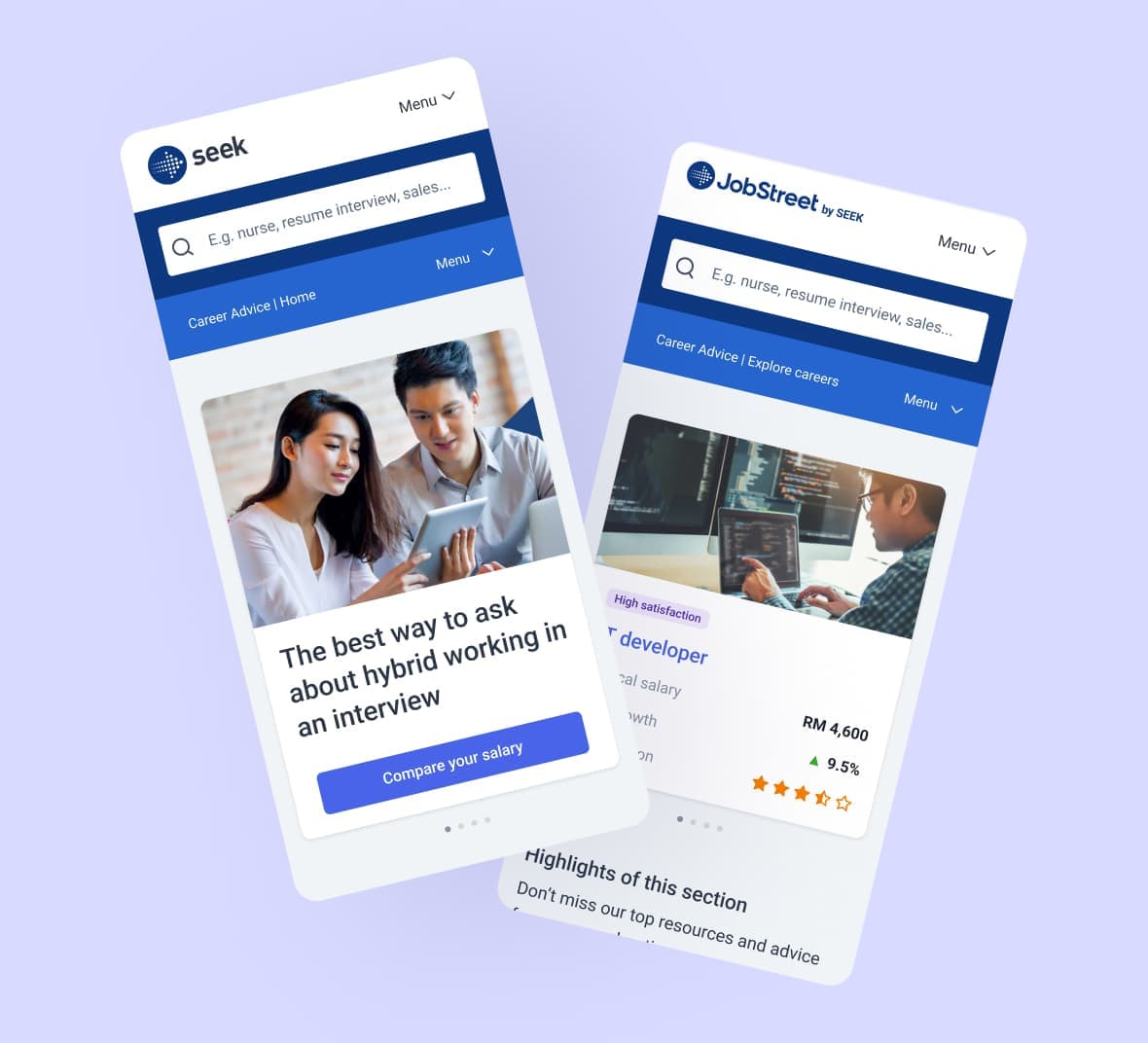
- A modular component system in Figma, responsive across screen sizes and devices.
- Component variants absorbing what differs per brand and language, so difference lived in defined places instead of leaking everywhere.
- Page templates for common content types — articles, guides, resource pages — making new pages an assembly job, not a design project.
This is the part teams skip when they treat unification as a reskin. The system is what makes the eighth country as cheap as the first.
Localisation is design, not translation
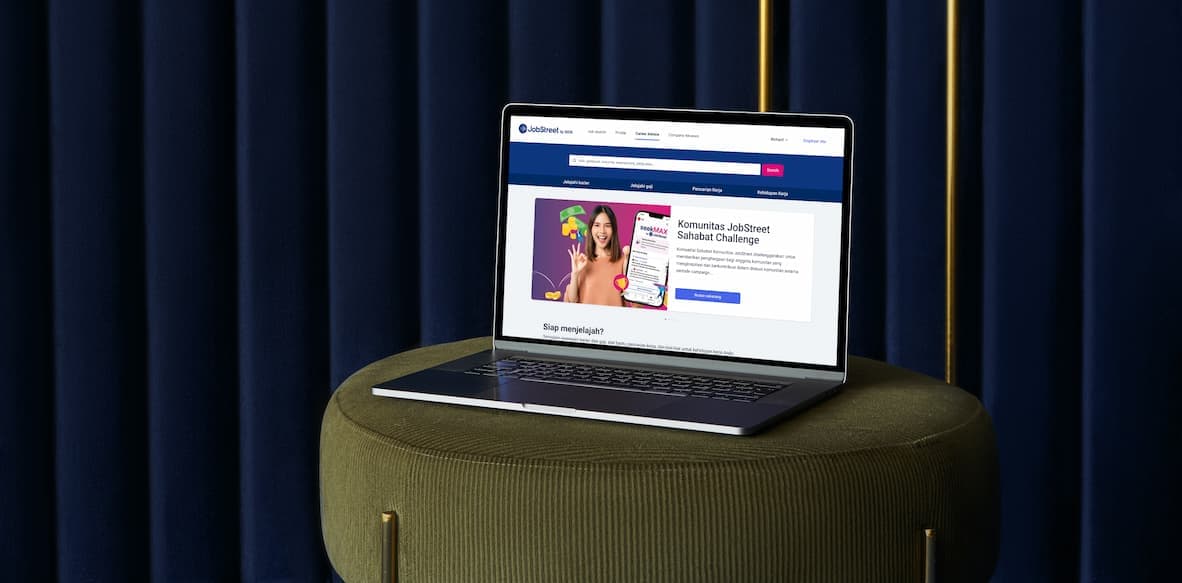
Each brand kept its identity — colour, photography, visual elements — inside the shared structure. And the multi-language layouts had to absorb what translation alone cannot: different text lengths, directionality, and cultural nuances across eight countries and four languages.
Stakeholders stayed in the loop the whole way. I travelled to Kuala Lumpur to run workshops with the Growth team, and weekly work-in-progress presentations kept feedback flowing into the design rather than arriving after it.
Shipping the system
The new design launched on a unified codebase, replacing WordPress and coreDNA with a headless Hygraph CMS — the engineering mirror of the design consolidation. We monitored performance continuously and iterated on user feedback and data.
Engagement rose 23%, satisfaction 15%, traffic 30%, with development faster and cheaper.
The principle I'd hand any team facing multi-brand work: decide what is allowed to differ, and build the system around those decisions. Consistency isn't sameness — it's difference in deliberate places.